I designed my first photobook.
Which is funny, because I’ve been taking photos for a decade and been working as a designer for years. I’ve laid out hundreds of reports, publications, campaigns, and client projects. But I’d never made a book for myself.
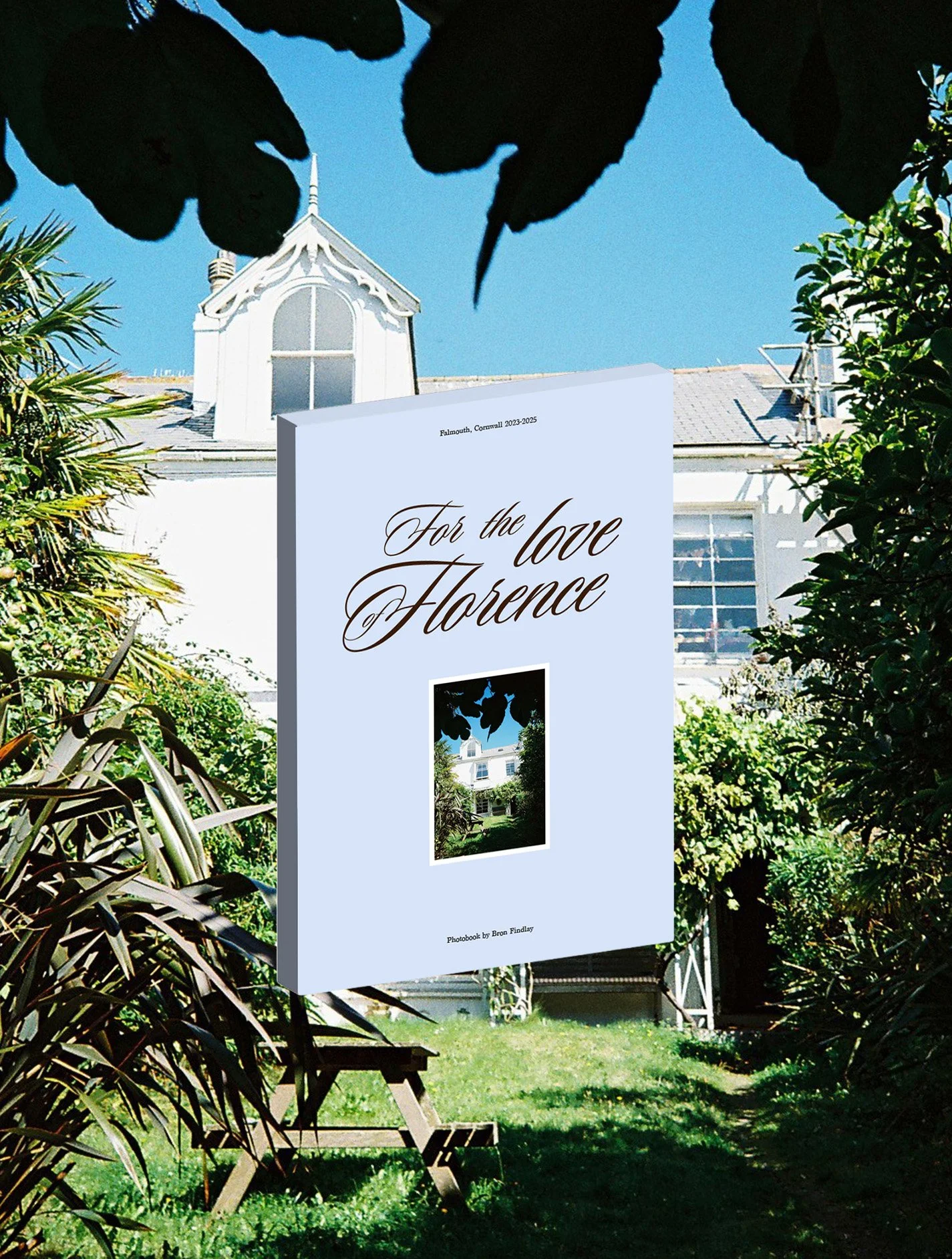
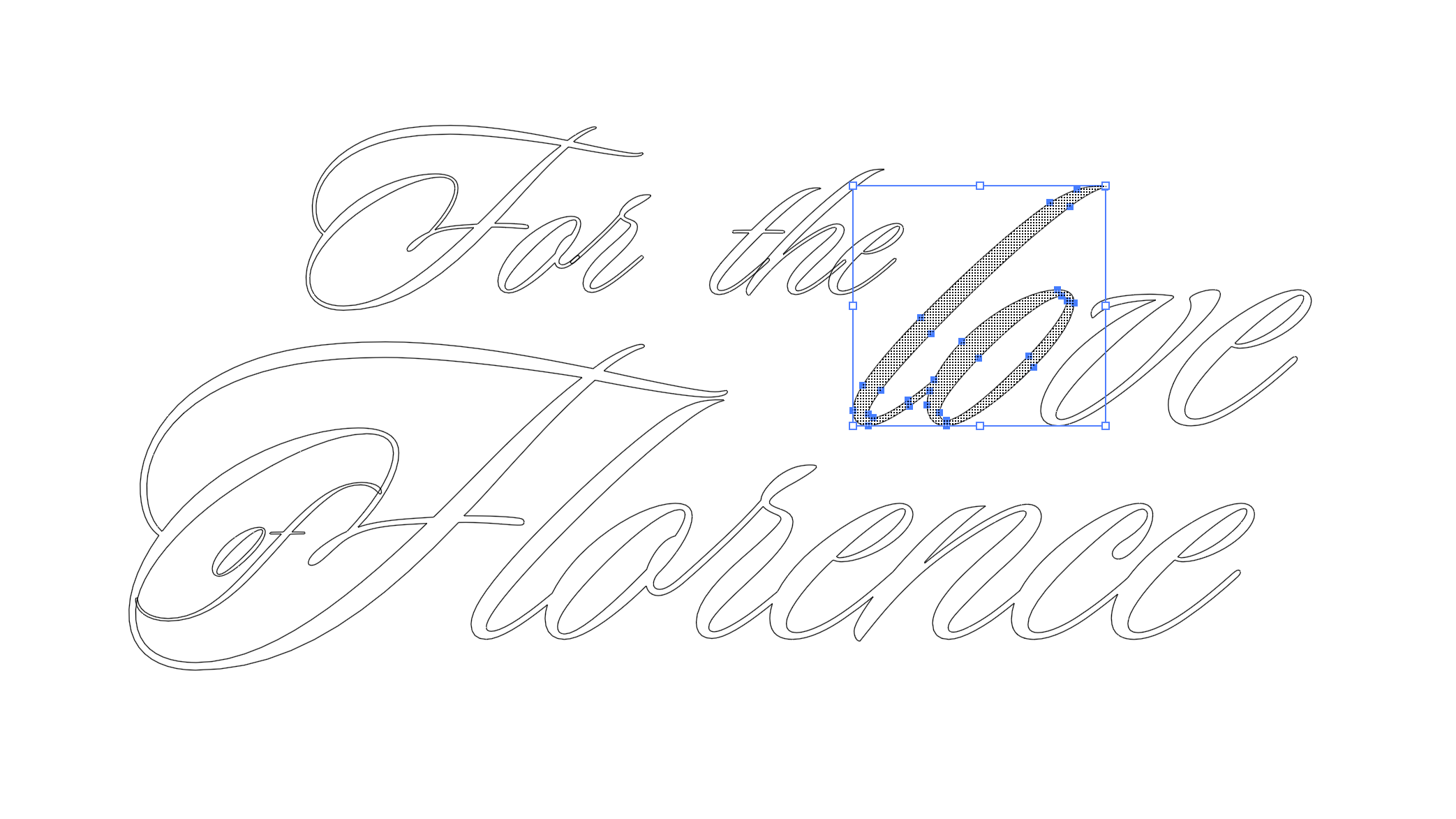
Maybe it’s because personal projects feel too vulnerable, too revealing, too close to home (literally, in this case). Maybe it’s because when you work in design, you get used to telling other people’s stories so well that you forget your own are worth documenting too. So here it is ‘For the love of Florence’ a photo book documenting my years of living in Falmouth.
Inspired by the Industry
Over the last few years, I’ve found myself drawn to design work that centered on lived experience. Storytelling grounded in real environments, identity, and community. Publications like Atmos and Apartmento have been huge inspirations for me, especially the way they frame culture and place through human connection. One of my favourite articles written by Anna Richards and photographed by Tami Aftab: Three Crisis, One Solution. Which felt like an authentic tale of modern life, which had the raw reality of the current climate with the wholesome and heart felt benefit of building community.
The more I worked on projects like that professionally, the more I realised I’d never given the same care to the stories unfolding in my own life. With a large life change happening I decided to document it through photography and design.
I wanted my book to be a time capsule from the era when being in your 20s in the 2020’s. Which meant juggling a job, two creative side hustles, and one persistent housing crisis. This snapshot of a very particular moment in time for all of us when adulthood still felt like a soft suggestion, and the closest thing we had to stability was each other.
Designing From a Place of Memory
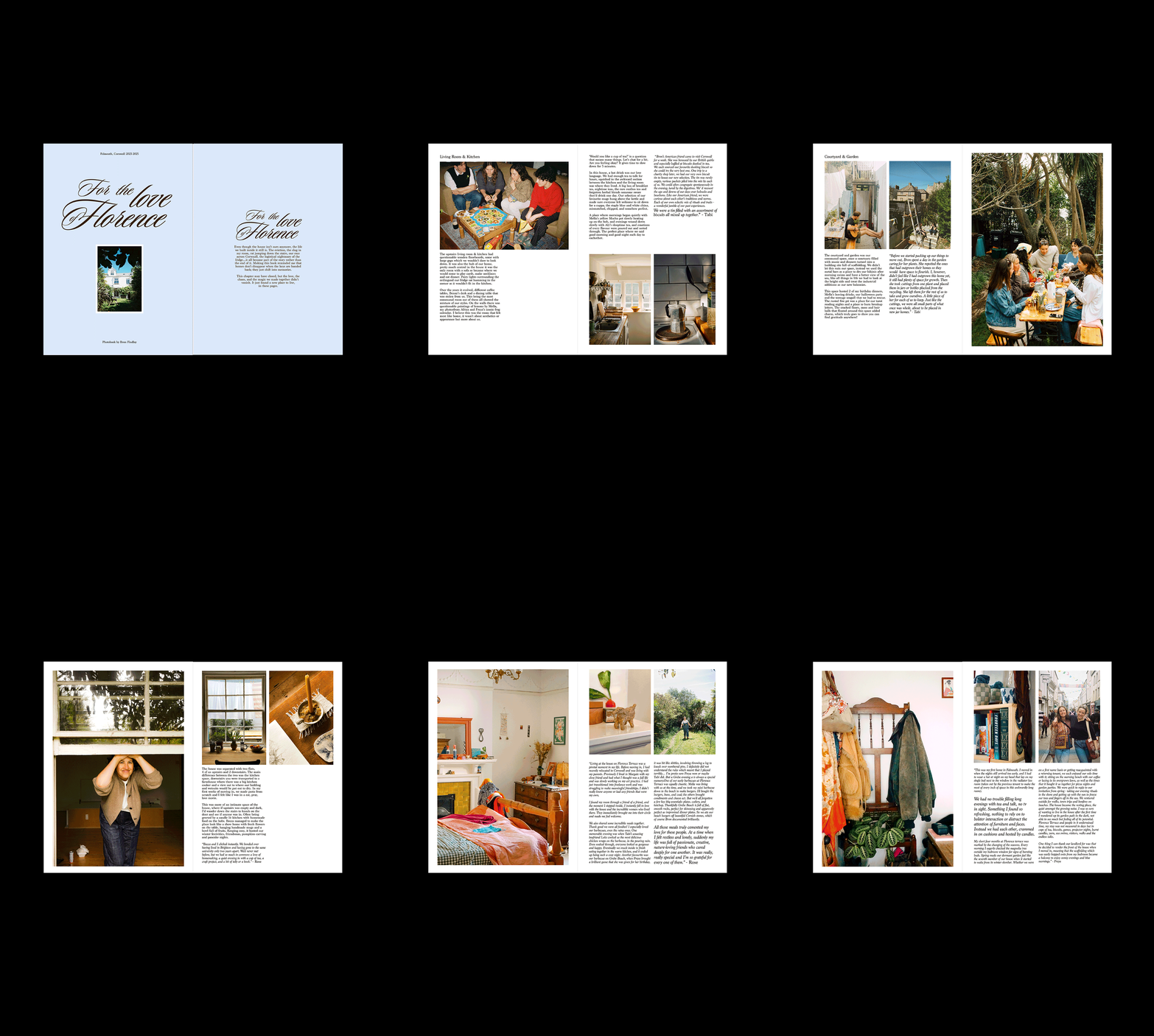
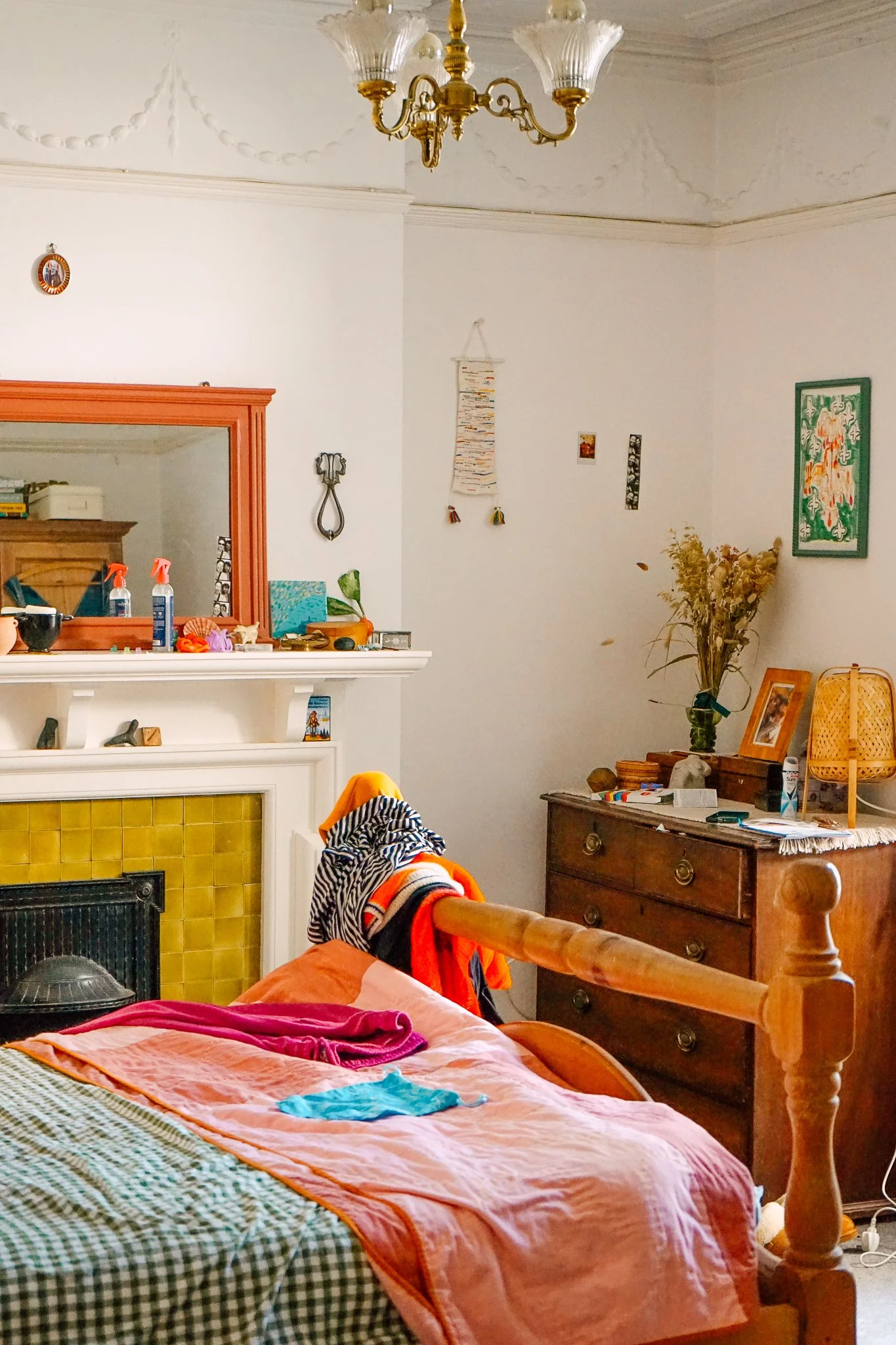
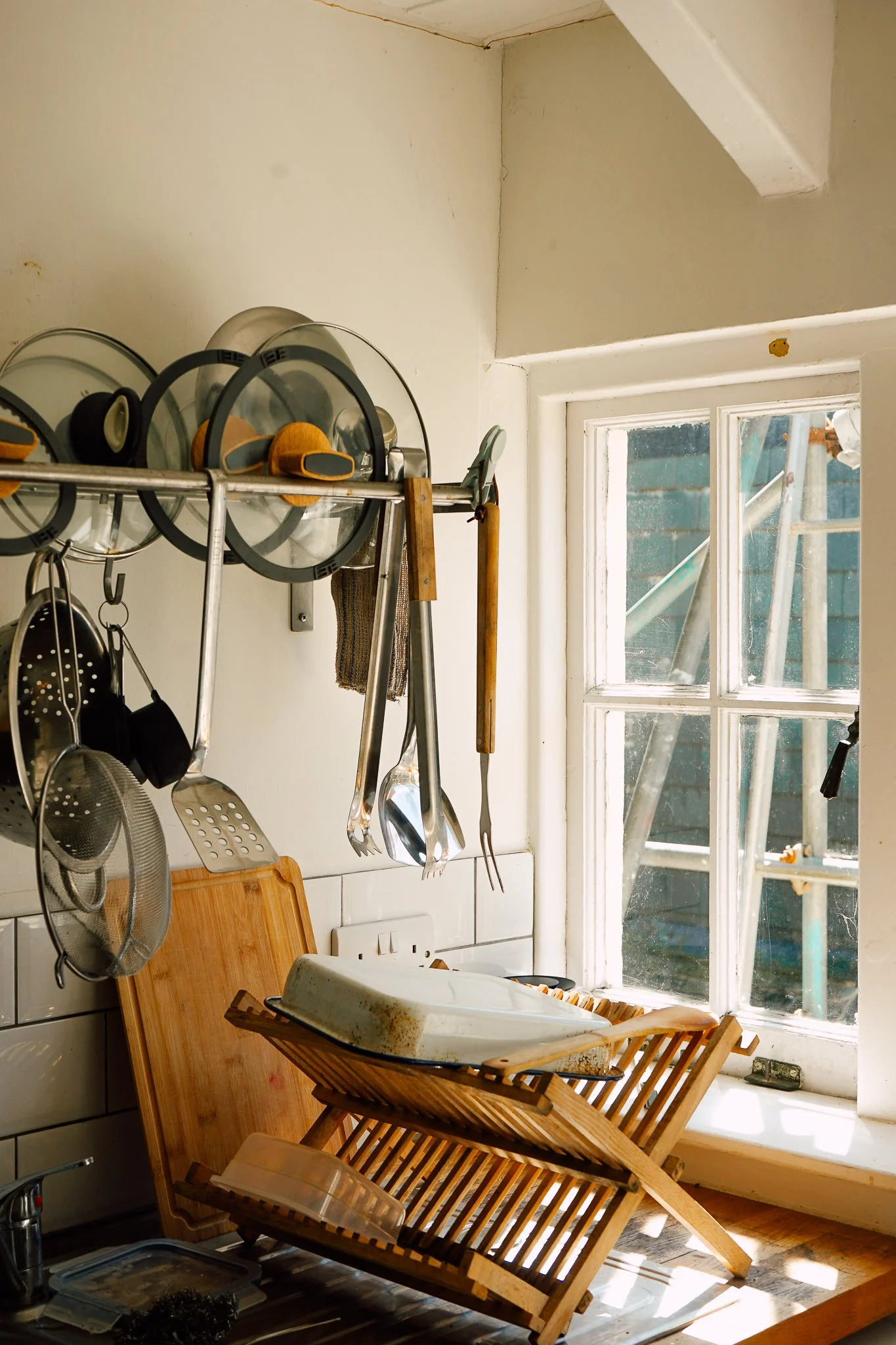
I lucked out with my house, living with other female creatives that made freelance design feel fun. Illustrator, Artist, Photographer and Chef all under one roof. They’d support any ideas of projects (including this book) and creative epiphanies that would come to my mind. We pulled together photos, stories and artwork that summarized our home both verbally and visually.
I’ve always believed design is a kind of translation, turning emotion into layout, feeling into structure, memory into something you can hold in your hands.
Archiving a Home You No Longer Live In
Why’d you leave this house? You may ask after reading all of this. We’ll it wasn’t actually a choice. Our Landlord decided to renovate and sell the property, and with 2 months notice after spending 2 years making this place a home we had to leave, a sad but not uncommon story of renting these days. Within that 2 months we had builders coming into the house to start renovations and the stress of how the hell do we get the sofa out the front door? I did'n’t want this chapter of our lives to end on a negative note after all the amazing memories and stories we had shared.
I know creativity often correlates with environment, which probably made sense why only now I’m designing this book. Like old times, I called in the girls for support as they sent their own stories and pictures to add. After reading through I saw that we always did this, turned the bad into beauty. Another benefit of a creative mind.
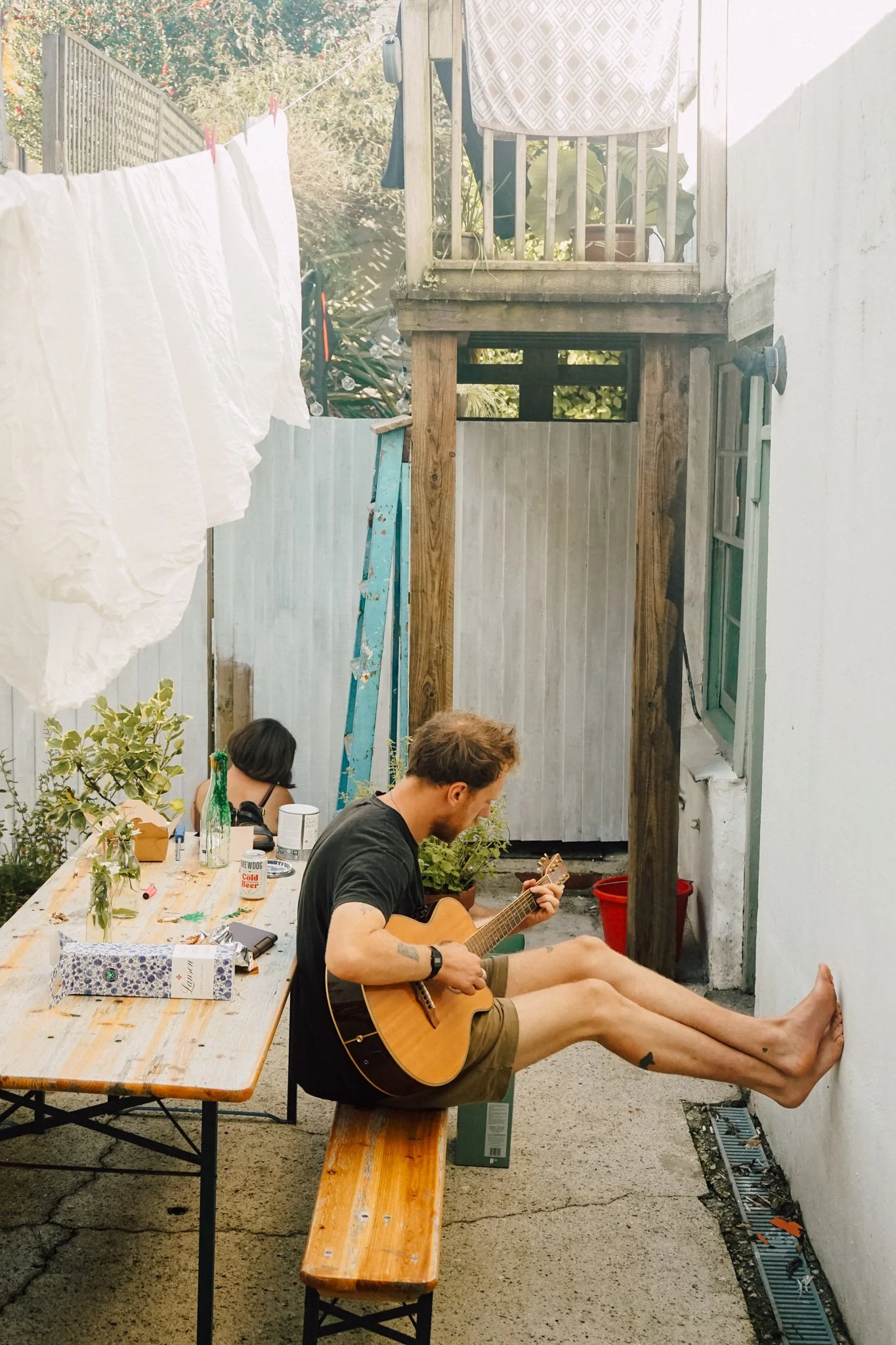
“The courtyard and garden was our communal space, once a sanctuary filled with music and dinners turned into a building site full of scaffolding. We didn’t let this ruin our space, instead we used the metal bars as a place to dry our bikinis after morning swims and have a better view of the sea, like all things in life we had to look at the bright side and treat the industrial additions as our new balconies.”